
重口味
AI-generated films enter China’s mainstream awards through new AIGC unit_我的网站

一 | 抚顺市是全省食用菌主产区之一,以香菇种植产业为主,兼有平菇、金针菇、杏鲍菇等多种菇类。经过多年的努力,食用菌产业已成为我市农业特色产业、主导产业。
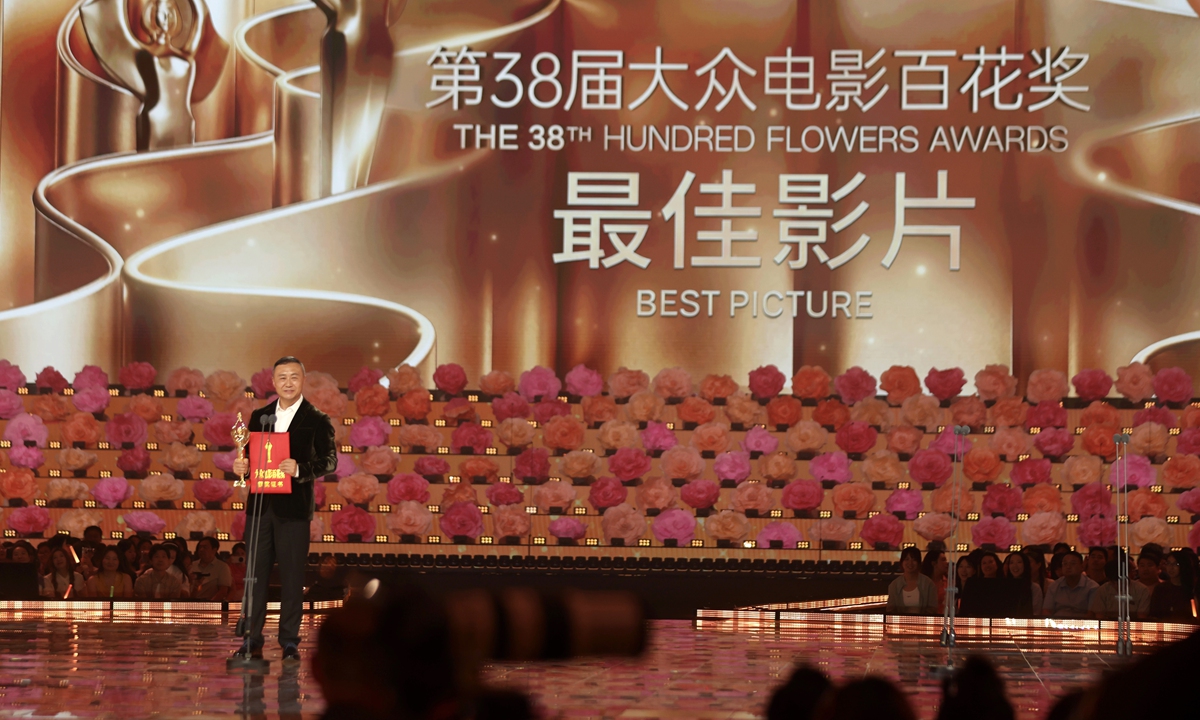
For the first time in the 64-year history of the awards, this year's edition introduced an AI-generated content (AIGC) recommendation unit, giving AI-generated films a new pathway into a major film award platform.
The move reflects a broader shift in the relationship between technology and cinema.
Rather than replacing filmmakers, AI is increasingly seen as a creative tool that lowers production barriers, expands visual possibilities and allows more people to turn ideas into films, Zhang Peng, an associate professor at Nanjing Normal University, told the Global Times.
The AIGC recommendation unit, launched on June 30, attracted 2,038 entries from around the world in just over a month. After evaluation, six productions received the "Hundred Flowers AIGC Recommendation Honor," covering categories including animation, visual effects, technology, creativity, directing and short films.
For many young filmmakers, AI has opened a new path into the industry. Multiple award-winning creators said at a seminar on the sidelines of the Hundred Flowers Awards that AI tools such as Jimeng and the Seedance model helped them with visual development, shot design, dubbing and maintaining emotional continuity.
Zhang Bohang, a representative of the team behind Yi Meng (A Dream), which won the award for Best Animated Work, said at the seminar that animation had long been a dream for the team, but high production costs had previously made it difficult to bring that dream to life. "The emergence of AI has given us a way to make our dreams come true," he said.
Lu Qiwei, a representative of the creative team behind Yecha Crossing the River, which won the Best Creative Work award, said at the seminar that Seedance allows creators to input characters, scenes, visual styles and directorial ideas, then select and organize the generated material themselves.
However, filmmakers at the event also emphasized that AI does not replace human creativity. Director Liu Shuheng, whose work Out of Control received recognition, said AI had lowered the threshold for creating visual images while raising the expectations for creators' decisions.
"AI makes it easier to create a picture, but it also makes people think more about why they choose to shoot it this way," Liu said at the seminar.
The shift is not limited to AI-powered filmmaking. The awards are also expanding recognition for emerging forms of storytelling.
The 38th Hundred Flowers Awards also introduced a new short-drama recognition section, marking the first time the awards had recognized short dramas. It marked the first time the awards had included short dramas in their recognition system, organizers said.
AI also featured prominently in the event's audience experience. Global Times reporters observed interactive installations that allowed audiences and celebrities to generate personalized digital keepsake photos, while AI was also used during the red-carpet livestream to provide real-time commentary, answer viewer questions and enhance visual backgrounds.
The Hundred Flowers Awards' embrace of AIGC comes as major Chinese film festivals increasingly explore AI's role in cinema.
Since its launch in 2024, the Beijing International Film Festival's AIGC Film Section has been the first dedicated section at a major film festival worldwide to focus on AI-powered image-making. Meanwhile, the Shanghai International Film Festival this year has launched a new "AI Studio" section, aiming to create the first experimental platform dedicated to exploring AI-assisted collaboration in film production.
From competition entries to audience experiences, these developments suggest that AI is no longer just a behind-the-scenes production tool, said Zhang.
"AI is gradually moving beyond being a filmmaking tool and becoming part of the broader film festival ecosystem," Zhang noted.
"From AI-generated films to short dramas, the move also shows how China's mainstream film platforms are embracing emerging formats and recognizing new forms of storytelling."
。2023年,全市食用菌生产规模达到2.11亿段、产量达到19万吨、产值达到12.4亿元,生产规模位居全省第二位。

二 | 在新宾县榆树乡边外村,十多栋香菇种植大棚整齐排列,村民巴俊涛和爱人正在忙着采摘香菇。采访中记者得知,从2014年开始,巴俊涛从事香菇种植,每年种植菌棒6.5万棒,年收入达到10万元。

三 | 随着香菇种植规模逐年扩大,如今,巴俊涛种植香菇的冷棚就达到14个。 新宾县榆树乡边外村村民巴俊涛说:“在政府大力支持下,我过年想再增产,多做十万棒。

四 | ” 为促进食用菌产业高质量发展,我市持续落实好设施农业新建和改造提升信佳补贴政策,优先支持食用菌生产企业、农民专业合作社和种植大户建设食用菌发菌暖棚和生产冷棚。并积极争取国家、省级政策资金推进食用菌产业发展,争取农业产业化重点龙头企业一次性奖补资金,提升食用菌生产加工企业的积极性。市农业农村局还组织省、市食用菌专家团定期深入食用菌合作社和种植大户开展技术培训、技术指导,帮助食用菌生产企业、合作社和种植大户解决生产中遇到的实际问题。 为提升食用菌产品市场竞争力,我市通过招商引资的方式引进食用菌龙头企业或者培育食用菌专业合作社,创建2-3个市级标准化食用菌示范区,带动、辐射食用菌产业快速发展。同时采取补贴奖励销售大王等措施,鼓励和支持企业、食用菌合作社和种植大户全力拓宽食用菌销售渠道,全力抢占食用菌销售话语权,让抚顺的食用菌尽快直销全国“大市场”,唱响抚顺食用菌品牌。

五 | 抚顺市农业农村局种植业管理科副科长李鑫说:“近年来,我市因地制宜发展食用菌产业,积极调整农业产业结构,充分发挥环境、资源、区位等优势,食用菌产业已成为我市农业特色产业、主导产业。下一步,我市将不断扩展产业链,增加农民收益,推动我市食用菌产业扩量提质增效和绿色高质量发展。” 责任编辑:李丹。
Current article:http://t8oxut.tichannangenzhuchuapin.cfd/news/20260826_37218.html
Published on:19:47:50
 抚顺龙岗山雪上运动重点项目签约仪式在沈举行
 奥克兰北岸绑架案:危险男子仍在社区流窜,公众请警惕!
 Pony.ai’s autonomous-driving distance tops 100m km as China scales up L4 commercialization
 英国新首相首次外访选择了这个国家
 【品种策略】锌:08月26日多家期货公司晨报观点汇总
 上市公司并购重组涌现新亮点 硬科技领域重组交易热度不减